(Image: Shutterstock)
In the contemporary theatre of commerce, the "pitch" remains a fundamental rite. One spends countless hours in meticulous research and the refinement of prose, all leading to that singular moment of expectation when the missive is dispatched. What follows, however, is frequently not the spirited engagement one anticipates, but a profound and echoing silence. This lack of response is far more than a mere breach of etiquette. For the modern professional, it represents a significant source of "occupational fatigue," a mental burden that exerts a tangible toll upon physical and psychological well-being.
While the suggestion that unanswered correspondence causes "adverse health issues" may seem extravagant to the uninitiated, a robust body of academic literature suggests otherwise. The experience of being ignored in a professional capacity triggers specific physiological and cognitive responses that, over time, can lead to serious health consequences.
The Physiology of the Unanswered Call
When an individual submits a proposal, the brain enters a state of heightened dopaminergic anticipation. This is a physiological readiness for feedback. When days pass without acknowledgement, this state of readiness does not simply fade. Instead, it transmutes into chronic stress.
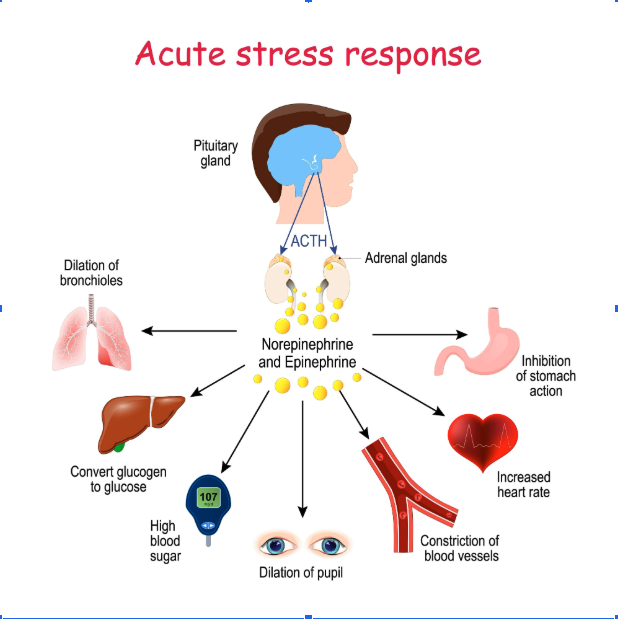
The uncertainty inherent in professional silence creates a persistent low-level threat to one’s social and economic standing. This sustained stress response is characterised by the overproduction of cortisol, the body’s primary stress hormone. Chronic cortisol elevation is linked to a variety of systemic failures.
Research by McEwen (1998) regarding "allostatic load" demonstrates that the wear and tear on the body grows when an individual is exposed to repeated or chronic stress. This biological cost manifests in several ways:
- Sleep Fragmentation: Elevated cortisol levels, particularly during the nocturnal hours, interfere with the production of melatonin. This leads to impaired sleep architecture and a failure of the body to enter restorative deep-sleep cycles.
- Systemic Inflammation: While acute cortisol is anti-inflammatory, chronic exposure can lead to glucocorticoid receptor resistance. This results in heightened systemic inflammation, which is a known precursor to cardiovascular disease.
- Immune Suppression: Persistent activation of the stress axis diverts energy away from the immune system, leaving the professional more vulnerable to common pathogens and increasing recovery times.
Cognitive Load and the Burden of "Open Loops"
Beyond the hormonal impact, the absence of professional courtesy imposes a heavy cognitive tax. The human psyche is evolved to seek closure and resolution. Every unanswered pitch represents an "open loop" in our mental architecture.
This phenomenon is rooted in the Zeigarnik Effect, which posits that the brain retains a higher level of tension for uncompleted tasks than for those that have reached a conclusion. In a business context, these open loops consume "background" mental energy. This leads to a state of cognitive depletion often referred to as decision fatigue.
As noted by Baumeister et al. (1998), the self is a limited resource. When mental energy is constantly diverted to monitor the "silence" of various prospects, there is less energy available for creative output, analytical thinking, and emotional regulation. The professional finds themselves in a state of perpetual mental clutter, where the weight of what has not happened begins to interfere with what must happen.
The Neurology of Social Rejection
It is a mistake to believe that because a transaction is "business," it is processed by the brain as purely clinical. Neuroscience suggests that the human brain does not distinguish between professional ghosting and social exclusion.
In a seminal study by Eisenberger, Lieberman, and Williams (2003), fMRI scans revealed that social rejection activates the anterior cingulate cortex, the same region of the brain that processes the affective component of physical pain. In essence, being consistently ignored by one’s peers or prospects hurts in a literal, neurological sense.
When a professional is subjected to a vacuum of response, they may fall victim to "Learned Helplessness," a concept pioneered by Martin Seligman (1975). If one’s efforts are met with consistent silence regardless of the quality of work, the brain may cease to see a link between effort and outcome. This can lead to clinical depression, a total loss of motivation, and the severe physical exhaustion associated with burnout.
Preserving the Self in a Silent Market
Given that one cannot dictate the manners of the marketplace, the professional must adopt a regime of self-protection to mitigate these health risks.
One must adopt a "Fire and Forget" philosophy. Once a proposal is sent, it must be mentally archived as a "completed action" rather than a "pending result." This mental shift assists in closing the cognitive loop and preventing the accumulation of allostatic load. Furthermore, one should batch all follow-up activities into a single morning per week. This compartmentalisation prevents the "slow burn" of stress from permeating every working hour.
Ultimately, the silence of a prospect is rarely a commentary on the value of the sender. In an era of digital saturation, it is a symptom of a fractured attention economy. Recognising that this silence is a biological stressor is the first step toward neutralising its effects. By prioritising one’s internal physiological state over external validation, the professional can maintain their health in a world that often forgets the courtesy of a reply.